
Dog Diarrhoea: Causes, Home Care and When to Call the Vet
Why dogs get diarrhoea, how to tell small bowel from large bowel signs, what home care is reasonable, which human medicines are dangerous and which symptoms mean an urgent vet visit.
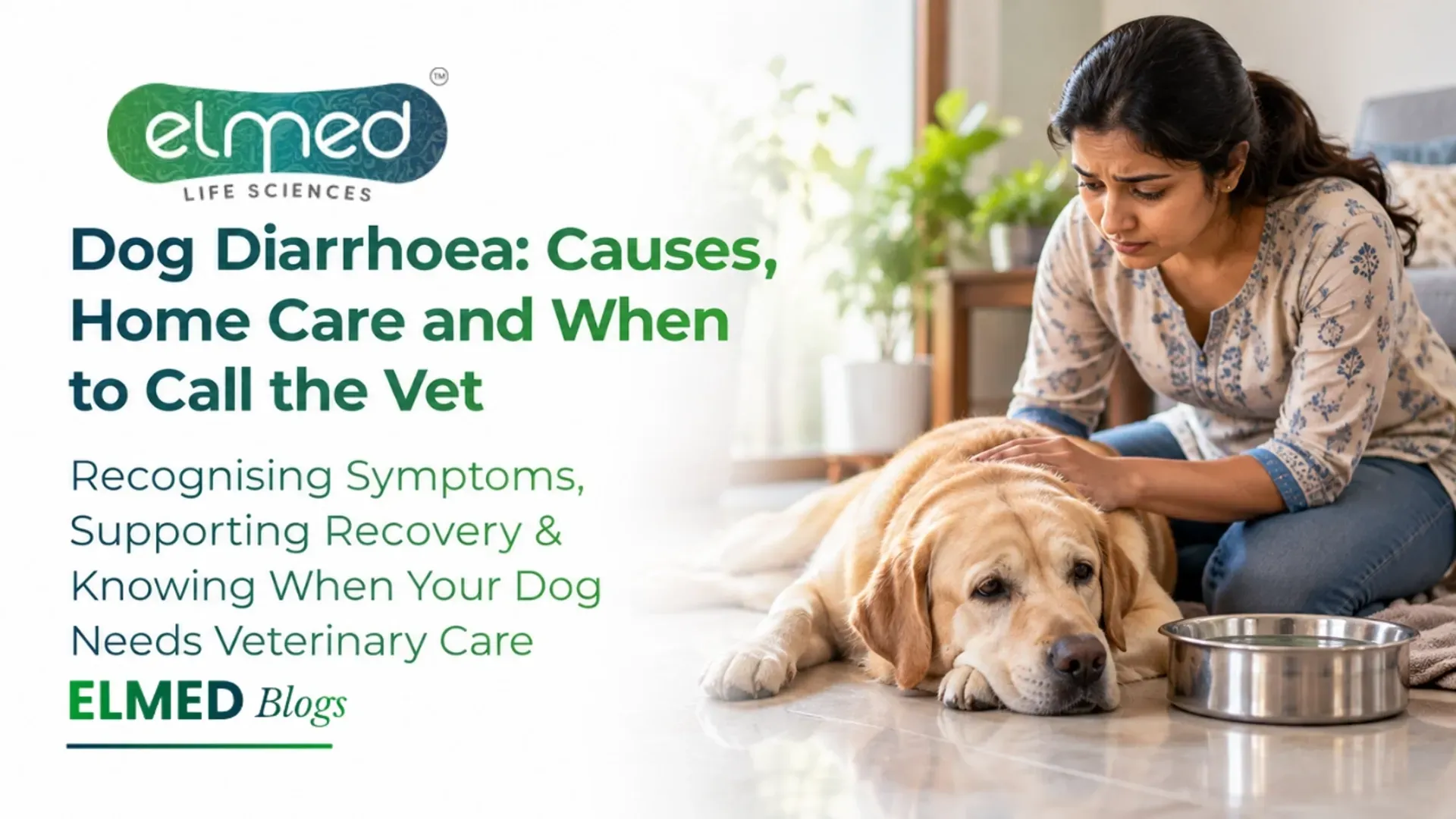


Most mild diarrhoea in an otherwise bright, eating adult dog settles within a day or two with rest, water and a bland diet. Diarrhoea that is bloody, severe, long-lasting, or that comes with vomiting, lethargy or loss of appetite needs your veterinarian. Puppies, small dogs and older dogs can deteriorate quickly and should be seen sooner.
What counts as diarrhoea?
Diarrhoea is stool that is softer, looser or more frequent than normal. Vets often use a seven-point faecal score, where 1 is very hard and 7 is watery liquid. A score of 2 is ideal, firm and moist, and scores of 5 to 7 are diarrhoea.
Diarrhoea is called acute when it has lasted less than two weeks, and chronic when it lasts longer or keeps coming back.
What are the common causes?
Dietary indiscretion. Eating garbage, bones, spoiled food, table scraps or unfamiliar treats is the most frequent cause.
Sudden diet change. A rapid switch of food upsets the gut. Changes should be made gradually over about a week.
Stress. Boarding, travel, a new home or loud events such as festival fireworks can trigger stress colitis.
Parasites. Roundworms, hookworms, whipworms, giardia and coccidia are common, especially in puppies.
Infections. Parvovirus, distemper, coronavirus and bacteria such as Salmonella and Campylobacter can cause diarrhoea.
Medicines.Antibiotics, anti-inflammatory drugs and some other medicines cause gut upset.
Toxins. Plants, chemicals, certain foods and drugs can be poisonous.
Chronic conditions. Food allergy, inflammatory bowel disease, pancreatic disease and cancers cause long-lasting or recurring diarrhoea.
How do small bowel and large bowel diarrhoea differ?
Vets ask about the pattern, because it points to the likely location of the problem.
Small bowel diarrhoea produces large volumes of loose stool, usually at normal frequency, sometimes with weight loss and a dark, tarry colour from digested blood.
Large bowel diarrhoea produces frequent small stools, straining, urgency, mucus and fresh red blood. Dogs often look uncomfortable but may stay bright.
Telling your vet which pattern you see helps them decide on tests and treatment.
What home care is reasonable?
If an adult dog has mild diarrhoea but is bright, drinking and not vomiting, these steps are commonly used while you call your vet for advice.
Water. Make sure fresh water is always available. Dehydration is the main risk.
A bland diet. Many vets suggest small, frequent meals of boiled, skinless chicken and plain white rice for a day or two, then a gradual return to the usual food. Your vet may prescribe a veterinary gastrointestinal diet instead.
Rest. Limit exercise and watch for changes.
Records. Note frequency, stool appearance, appetite and energy.
Short fasts are no longer routinely advised, and puppies and small dogs should not be fasted, since they can drop their blood sugar. Ask your vet for guidance.
What should you never give?
Human anti-diarrhoeal medicines. Loperamide can be dangerous in some dogs, especially herding breeds such as collies, which may carry a gene (MDR1) that makes certain drugs toxic.
Pain relievers. Ibuprofen, paracetamol (acetaminophen) and aspirin can cause serious harm to dogs.
Rich or fatty foods. These can worsen the problem and trigger pancreatitis.
Do not give any human medicine without your veterinarian's instructions.
When is it an emergency?
Call your vet immediately, or go to an emergency clinic, if your dog has:
- blood in the stool or black, tarry stool
- repeated vomiting, or vomiting with diarrhoea
- lethargy, weakness, pale gums or collapse
- a swollen, painful abdomen
- signs of dehydration, such as dry, sticky gums or slow return of skin after a gentle pinch
- known or possible ingestion of a toxin
- diarrhoea in an unvaccinated or young puppy, because of the risk of parvovirus
- diarrhoea that continues beyond 24 to 48 hours
Where do probiotics fit?
A probiotic is sometimes used as a supportive measure after the vet has examined the dog. Studies show mixed results, with some trials reporting shorter diarrhoea in certain dogs and others showing no difference. It is not a treatment for infection or parasites and does not replace fluids or diagnosis.
MAX360 from ELMED Life Sciences is a synbiotic sachet for dogs and cats containing multiple probiotic species, FOS, digestive enzymes and vitamins. It is intended for routine gut support, and your veterinarian should decide whether it is suitable during an episode of diarrhoea. The overall background is in the guide to probiotics for dogs and cats.
How can you prevent repeat episodes?
Feed a complete, good-quality diet, change foods gradually, keep garbage and unsafe foods out of reach, keep up deworming and vaccination as your vet advises, and reduce stress around travel and boarding. Regular check-ups catch chronic problems early.
Frequently Asked Questions
Explore More Articles
 Guide
Antibiotics and Your Pet's Gut: Where Probiotics Fit
How antibiotics disturb a dog's or cat's gut bacteria, why finishing the course still matters, what research says about probiotics during and after treatment, and how to space doses safely.
 Guide
How to Give a Probiotic Sachet to Your Dog or Cat
Practical steps for giving a probiotic sachet to a dog or cat: what to mix it with, how to handle fussy eaters, multi-pet homes, storage, timing with meals and medicines, and mistakes to avoid.
 Guide
Probiotics for Dogs and Cats: A Veterinary-Informed Guide to Daily Gut Support
A science-based guide for pet owners on probiotics for dogs and cats: how the pet gut works, what research shows, what a synbiotic sachet contains, how to give it and when to call your veterinarian.
Stay in the Loop
Get the latest probiotic industry insights delivered to your inbox.