Probiotics and Diet: Foods That Help Gut Bacteria
How diet shapes gut bacteria and probiotic benefit: fibre, fermented foods, polyphenols and the foods that disrupt the microbiome, explained with current evidence.
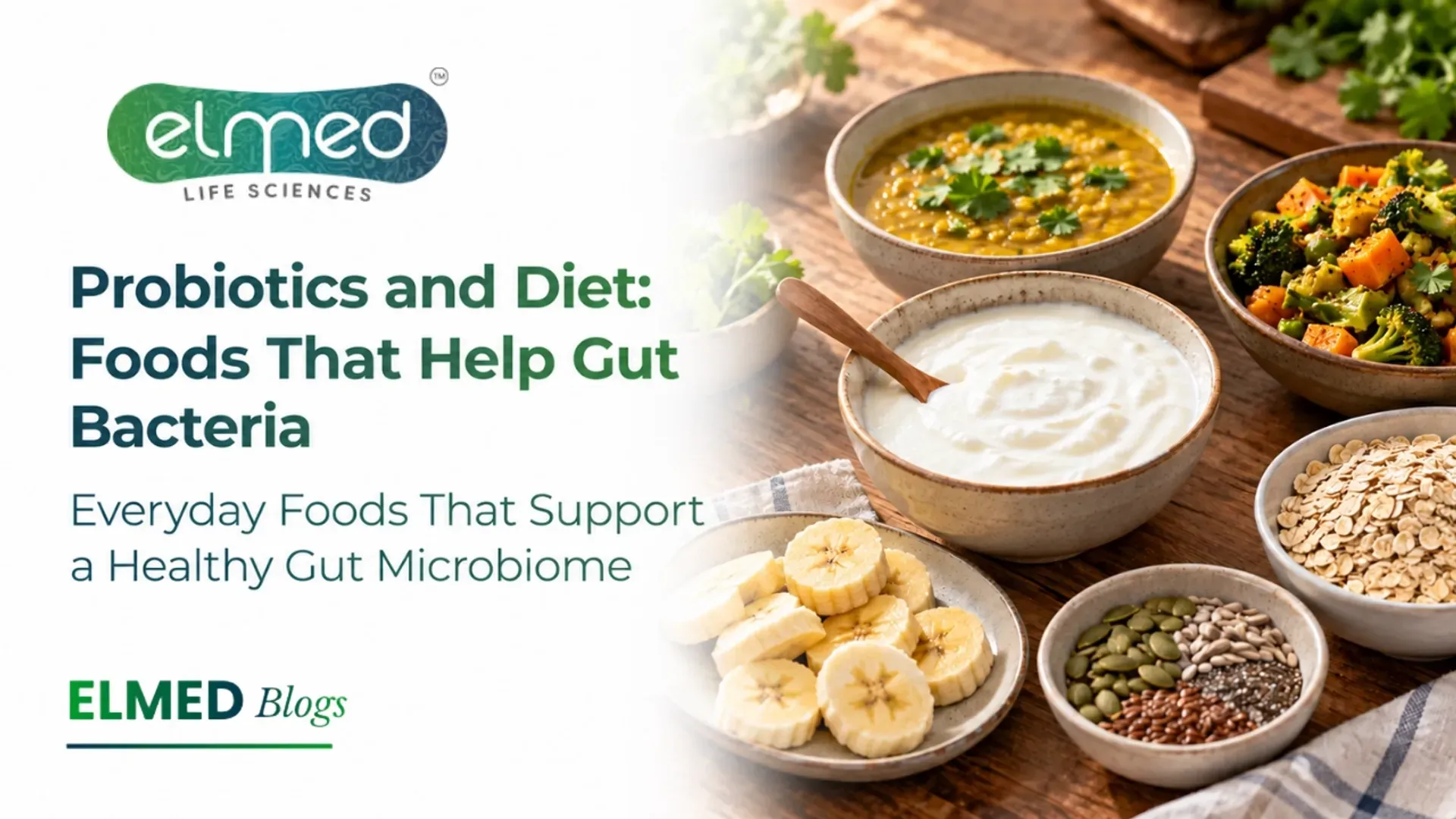


Diet is the strongest everyday influence on the gut microbiome. Fibre-rich plant foods feed beneficial bacteria, fermented foods add live microbes, and highly processed diets reduce microbial diversity. A probiotic supplement works within this environment, so the food eaten alongside it affects how well it performs.
Why does diet matter for gut bacteria?
Most gut bacteria live in the colon and depend on food components that the body cannot digest in the small intestine. When the diet supplies these components, bacteria ferment them into short-chain fatty acids such as butyrate, which nourishes cells lining the colon and helps regulate inflammation.
Changes in diet alter the microbiome within days. Studies switching volunteers between plant-based and animal-based diets found measurable shifts in bacterial composition in less than a week. Lasting diversity, however, reflects long-term eating patterns.
Which foods feed beneficial gut bacteria?
Fibre-rich plant foods. Whole grains, legumes, vegetables, fruits, nuts and seeds supply different fibres that support different bacterial groups. Variety matters as much as quantity. The American Gut Project, a large citizen science study, found that people eating more than 30 different plant foods a week had more diverse gut microbiomes than those eating fewer than ten.
Resistant starch. Cooked and cooled rice or potatoes, slightly green bananas and legumes contain starch that escapes digestion and is fermented in the colon, increasing butyrate production.
Polyphenol-rich foods. Plant compounds in tea, cocoa, berries, pomegranate, spices and olive oil are partly metabolised by gut bacteria and may favour beneficial species.
Increase fibre gradually over two to three weeks. Sudden large increases often cause bloating, particularly in people with a sensitive stomach .
Do fermented foods help?
Fermented foods contain live microbes and the products of fermentation. Traditional Indian examples include curd, buttermilk, idli and dosa batter, dhokla, and fermented vegetables such as kanji.
A randomised study from Stanford University, published in Cell in 2021, compared a high-fibre diet with a diet rich in fermented foods over ten weeks. The fermented food group showed increased microbiome diversity and reduced markers of inflammation in the blood. The high-fibre group did not show the same rise in diversity during the study period, although responses varied between people.
Most fermented foods contain undefined strains in variable amounts, and cooking or baking kills the microbes in idli and dosa. Live-culture foods such as curd and buttermilk retain them.
Which dietary habits harm gut bacteria?
Diets high in ultra-processed foods, refined sugar and saturated fat are associated with lower microbial diversity. Regular heavy alcohol intake damages the gut lining and disrupts bacterial balance.
Some non-nutritive sweeteners have been shown to alter gut bacteria in human studies, with effects that differ between individuals. Evidence is still developing, but moderation is reasonable for anyone trying to support gut health.
How do diet and probiotic supplements work together?
A probiotic supplement adds defined strains, while diet determines the environment those strains enter. Fibre and other fermentable components feed both resident bacteria and incoming probiotic strains. Combining a probiotic with a varied, fibre-rich diet is more logical than relying on either alone.
MellowFlora from ELMED Life Sciences, a daily sachet providing HN001 and La-14 at 10 billion CFU, can be mixed into curd or buttermilk, pairing a defined probiotic with a fermented food. The broader evidence for these strains is covered in the guide to probiotic sachets for sensitive digestion, and the combined use of probiotics and fibres is explained in ELMED's article on prebiotics, probiotics and synbiotics.
What does a gut-friendly day of eating look like?
A practical pattern needs no special products. Breakfast might combine oats or poha with fruit and seeds. Lunch could centre on dal or rajma with vegetables and whole grain roti, and curd as a side. An afternoon snack of roasted chana, a banana or nuts adds further types of fibre. Dinner can repeat the pattern with different vegetables and legumes, keeping the portion moderate.
The aim is to raise the number of different plant foods across the week rather than to eat large amounts of one. A target of thirty plant foods a week sounds high, but spices, herbs, nuts, seeds, legumes, grains, fruit and vegetables each count, and it is reached more easily than most people expect.
Who should take care with dietary changes?
People with irritable bowel syndrome may find that some high-fibre foods worsen symptoms and benefit from a dietitian's guidance. People with kidney disease, diabetes or a history of disordered eating should seek professional advice before major dietary changes. Anyone with weight loss, blood in the stool or persistent pain needs medical assessment rather than dietary experimentation.
Frequently Asked Questions
Explore More Articles
 Guide
Antibiotics and Your Pet's Gut: Where Probiotics Fit
How antibiotics disturb a dog's or cat's gut bacteria, why finishing the course still matters, what research says about probiotics during and after treatment, and how to space doses safely.
 Guide
How to Give a Probiotic Sachet to Your Dog or Cat
Practical steps for giving a probiotic sachet to a dog or cat: what to mix it with, how to handle fussy eaters, multi-pet homes, storage, timing with meals and medicines, and mistakes to avoid.
 Guide
Dog Diarrhoea: Causes, Home Care and When to Call the Vet
Why dogs get diarrhoea, how to tell small bowel from large bowel signs, what home care is reasonable, which human medicines are dangerous and which symptoms mean an urgent vet visit.
Stay in the Loop
Get the latest probiotic industry insights delivered to your inbox.