
Daycare, School and the Gut Microbiome of Children
How childcare, school, siblings, antibiotics and diet shape a child's gut microbiome, what the research shows about infections and gut health, and practical steps that help.
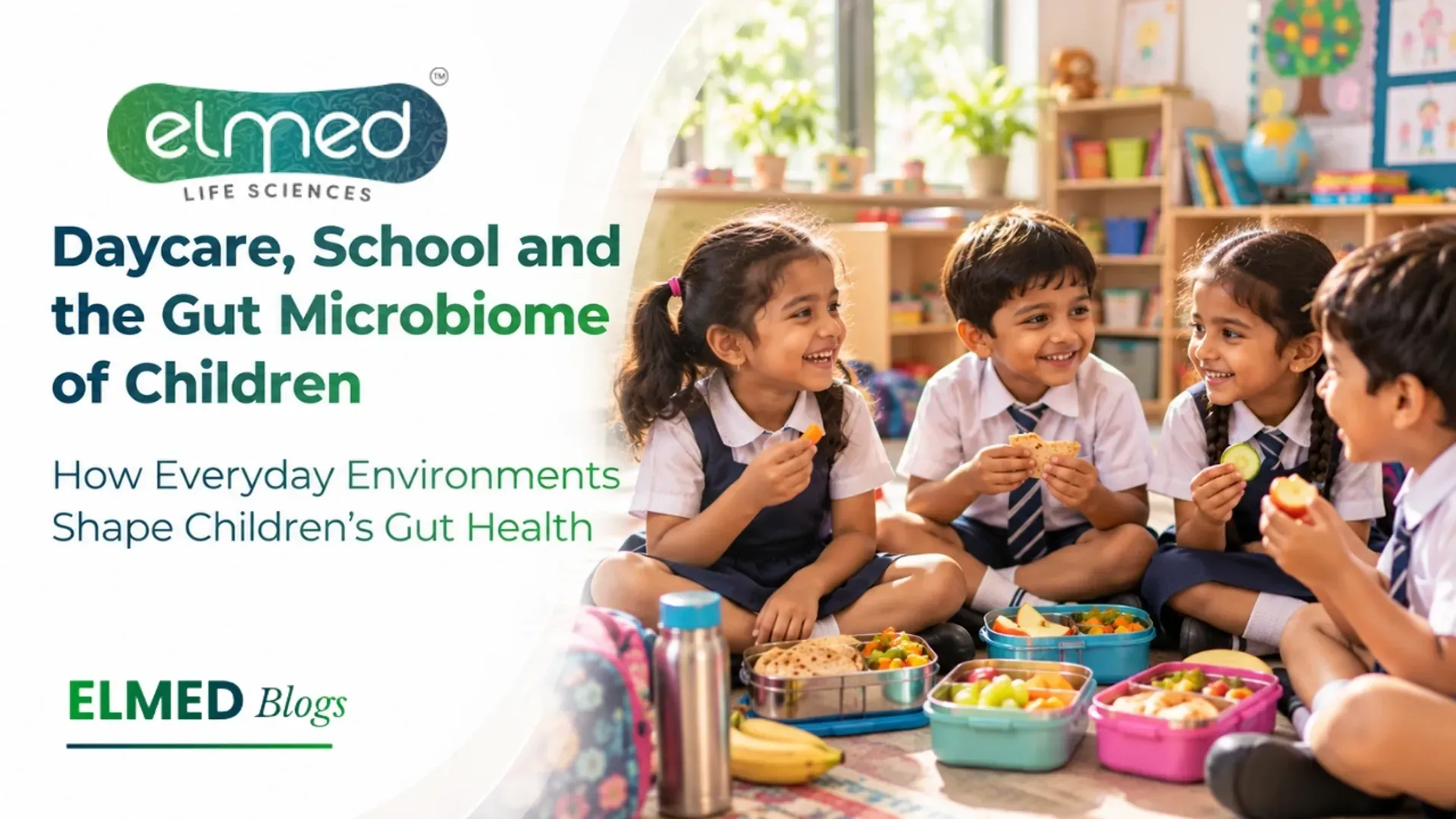


Starting childcare or school exposes children to many new microbes, and children in group settings carry more infections and often a different gut microbiome from those at home. Diet, antibiotics, siblings and sleep matter as much as the setting. Practical habits support gut health, and a probiotic may add to them in selected cases.
Why does group care change exposure?
In childcare, children share toys, surfaces, food and air. Hand-to-mouth habits spread respiratory viruses and gut pathogens quickly. Studies show that children in group care have more respiratory and gastrointestinal infections in the first years than those cared for at home, though they may have fewer in later primary school, as if the immune system had been trained earlier.
Exposure is not only a risk. Contact with diverse microbes in childhood is linked to normal immune development, and the so-called hygiene hypothesis proposes that too little early exposure may raise the chance of allergy. The balance of benefit and risk differs for each child.
What shapes a child's gut microbiome?
Diet. Fibre-rich plant foods feed beneficial bacteria. Diets high in sugary snacks and refined foods are linked to lower diversity.
Antibiotics. Each course reduces diversity temporarily, and repeated courses in the first years may have longer effects.
Siblings and pets. Children with siblings or pets tend to have more diverse microbiomes.
Birth and feeding. Mode of birth and breastfeeding influence early colonisation, though many differences narrow in later years.
Environment. Rural versus urban living, hygiene and travel all play a part.
Genetics plays a smaller role than lifestyle in most microbiome studies.
How common are infections in group settings?
A pre-school child commonly has six to eight respiratory infections a year, and several episodes of diarrhoea or vomiting. Most are viral and mild. Frequent infections do not by themselves signal a weak immune system. A child who grows well, recovers between illnesses and has no unusual infections is usually normal.
Frequent or severe infections with poor growth, unusual organisms or hospital admissions need medical assessment.
What practical steps help?
Hand washing. Washing before meals and after toilet use is the most effective single measure against both respiratory and gut infections.
Staying home when unwell. Keeping a child with fever or vomiting at home reduces spread to others.
Vaccination. Immunisations protect against serious diseases and are recommended on schedule.
Sleep. Pre-school children need 10 to 13 hours of sleep including naps. Poor sleep is linked to more infections.
Varied diet. Offer fruit, vegetables, pulses, whole grains and curd daily. A tiffin with several plant foods is a simple route to diversity.
Outdoor time. Play outside supports activity and exposure to a wider range of microbes.
Where do probiotics fit?
Some probiotics have been tested in childcare settings. A six-month trial in 326 children aged 3 to 5 in a Chinese childcare centre reported fewer fever, cough and runny nose episodes with Lactobacillus acidophilus NCFM combined with Bifidobacterium lactis Bi-07 than with placebo. The study is described in probiotics and seasonal colds in preschoolers. Results from other strains are mixed, and a general review rates the overall evidence as low certainty.
A probiotic is a supportive option to discuss with a paediatrician, not a replacement for the measures above. Little One's from ELMED Life Sciences provides NCFM and Bi-07 at 10 billion CFU per sachet, and the wider guide is probiotic sachets for children.
Does the lunchbox matter for the microbiome?
It does. Children eat roughly a third of their daily food at school or childcare. A lunchbox with a roti or paratha, a vegetable, a pulse or egg, a fruit and curd gives fibre, protein and fermentable carbohydrate. Packaged biscuits and sweet drinks supply sugar with little fibre. Small changes, such as adding a fruit or swapping a refined snack for roasted chana, are easy and affordable.
What about tummy bugs in group settings?
Rotavirus, norovirus and bacterial gastroenteritis spread easily in childcare. Vaccination against rotavirus is part of many schedules. If a child has diarrhoea, give oral rehydration solution, continue feeding, and seek advice for blood in the stool, high fever, signs of dehydration or diarrhoea lasting more than a few days. A child should return to childcare only after being free of diarrhoea for 24 to 48 hours, or as the centre's policy requires.
Frequently Asked Questions
Explore More Articles
 Guide
Antibiotics and Your Pet's Gut: Where Probiotics Fit
How antibiotics disturb a dog's or cat's gut bacteria, why finishing the course still matters, what research says about probiotics during and after treatment, and how to space doses safely.
 Guide
How to Give a Probiotic Sachet to Your Dog or Cat
Practical steps for giving a probiotic sachet to a dog or cat: what to mix it with, how to handle fussy eaters, multi-pet homes, storage, timing with meals and medicines, and mistakes to avoid.
 Guide
Dog Diarrhoea: Causes, Home Care and When to Call the Vet
Why dogs get diarrhoea, how to tell small bowel from large bowel signs, what home care is reasonable, which human medicines are dangerous and which symptoms mean an urgent vet visit.
Stay in the Loop
Get the latest probiotic industry insights delivered to your inbox.