Lactobacillus acidophilus NCFM: History and Evidence
The history of Lactobacillus acidophilus NCFM, the properties that made it a probiotic, and a clear summary of the human evidence in lactose digestion, bloating and childhood respiratory illness.


Lactobacillus acidophilus NCFM is among the best-documented probiotic strains, with decades of laboratory work and human trials. It was developed at North Carolina State University and is supplied within IFF's HOWARU range. Human studies cover lactose digestion, bloating in adults and respiratory symptoms in pre-school children, mostly with small or single-site designs.
Where does NCFM come from?
The code NCFM stands for North Carolina Food Microbiology, the laboratory at North Carolina State University where the strain was developed in the 1970s. It was selected from a collection of acidophilus isolates for properties useful in foods and, later, health, including tolerance of acid and bile and good survival in dairy.
NCFM is now one of the best-characterised lactobacilli. Its genome was sequenced in the early 2000s, and research has described its surface proteins, sugar use and interactions with host cells.
What is Lactobacillus acidophilus?
L. acidophilus is a rod-shaped, lactic acid-producing bacterium that lives in the human small intestine, mouth and vagina. When Lactobacillus was split into many genera in 2020, L. acidophilus remained in the original genus as the type species. Many strains sold as acidophilus differ markedly, which is why NCFM is identified by code. A different strain, La-14, is covered in a separate profile of Lactobacillus acidophilus La-14.
What laboratory properties does NCFM have?
NCFM survives low pH and bile salts, adheres to human intestinal cells in culture, and can bind to immune receptors on the surface of gut cells. Experiments show it can influence the release of signalling molecules and the expression of genes in the gut lining. It ferments a wide range of sugars, including prebiotic fibres such as fructo-oligosaccharides.
These are properties that make a strain a plausible probiotic. They do not prove clinical benefit.
What do human studies show?
Lactose digestion. Early work on acidophilus products found improved lactose digestion in people with lactose maldigestion, helped by the enzyme beta-galactosidase that the bacteria carry. Effects vary by strain and product.
Bloating in adults. A randomised, double-blind study of adults with functional bowel disorders found that NCFM combined with Bifidobacterium lactis Bi-07 reduced bloating compared with placebo over two months. The trial was small.
Gut gene expression. In small studies in adults, NCFM changed the expression of gut genes involved in immune and pain signalling, including opioid receptors. These findings are early.
Childhood respiratory illness. In a six-month trial of 326 pre-school children, NCFM alone reduced reported fever, cough and runny nose, and the combination with Bi-07 reduced them more. Details are in probiotics and seasonal colds in preschoolers.
How strong is this evidence?
The human evidence for NCFM is a collection of promising but modest studies, many small and some industry supported. No guideline body recommends NCFM for a specific condition. Its use as a probiotic rests on safety, tolerance and plausible mechanisms with some clinical signals.
How does NCFM differ from other well-known probiotics?
Lactobacillus rhamnosus GG has the largest paediatric evidence base, mainly in acute diarrhoea, and Limosilactobacillus reuteri DSM 17938 is best known for infant colic. NCFM has been studied for different questions, namely lactose digestion, bloating and respiratory symptoms, and no guideline names it as first choice for a specific illness.
That does not make it inferior. It means each strain should be matched to the question being asked and the evidence available. A combination such as NCFM with Bi-07 adds a bifidobacterium, which may act differently from a lactobacillus in the gut.
What do the dose and form tell us?
NCFM has been tested at daily amounts from a few billion to ten billion CFU or more in trials, as capsules, powders and dairy products. A sachet powder suits children who cannot swallow capsules, and the amount per sachet should be read from the label. The trial dose is a guide to what was studied, not a threshold for benefit.
Is NCFM safe?
L. acidophilus has a long history of safe use in dairy foods, and NCFM has been given to adults and children in trials without notable safety concerns. People with weakened immunity, central lines or serious illness should seek medical advice first, as for any probiotic.
How does this link to Little One's?
Little One's from ELMED Life Sciences contains NCFM with Bifidobacterium lactis Bi-07 at 10 billion CFU per sachet for children. The strain background above is the basis for the evidence discussed in the guide to probiotic sachets for children.
Frequently Asked Questions
Explore More Articles
 Science
Prebiotics, FOS and Digestive Enzymes in Pet Supplements
What FOS, other prebiotics and digestive enzymes do in dog and cat supplements, how much evidence there is, which pets need enzymes for medical reasons and what B vitamins add.
 Science
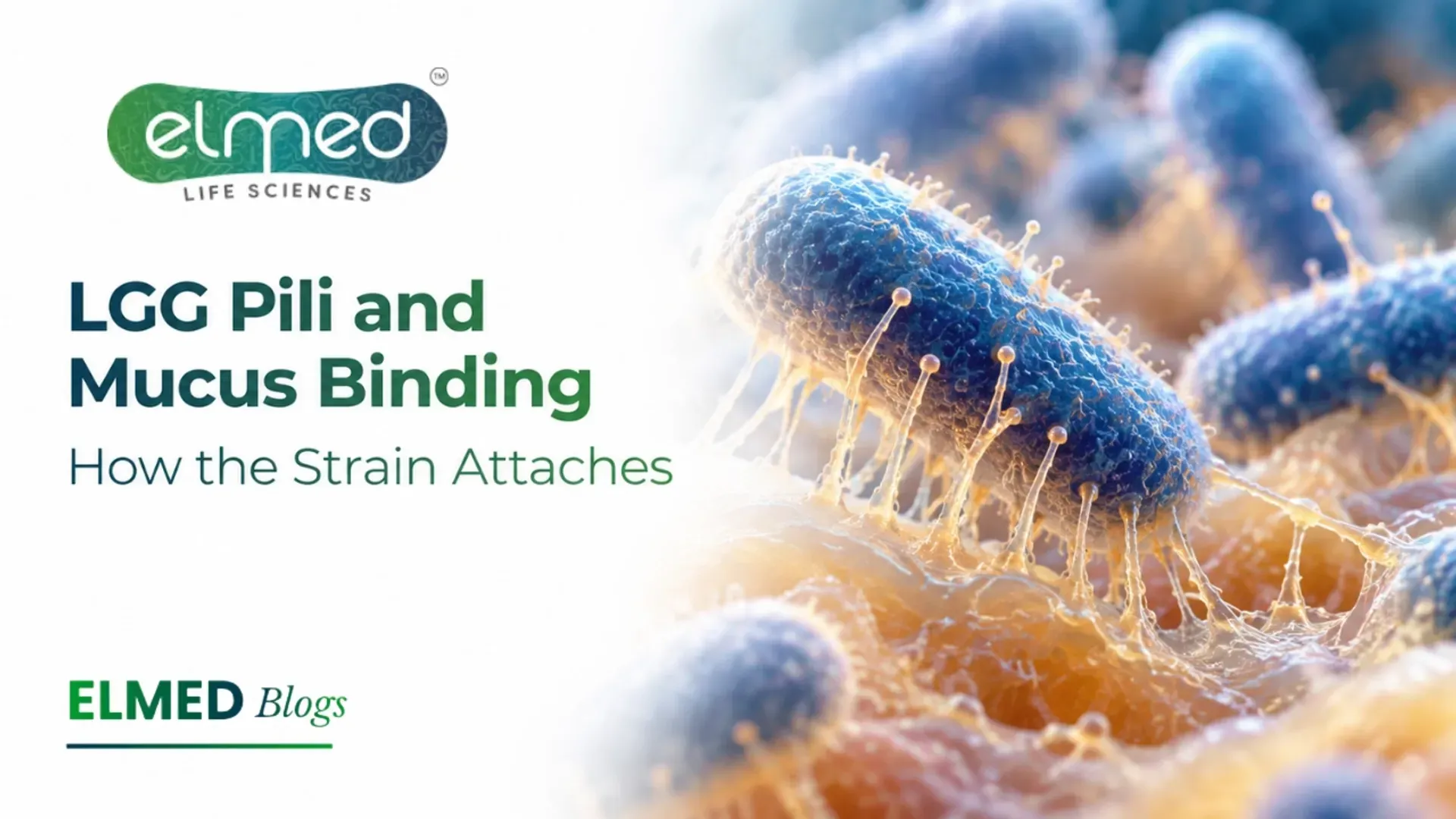
LGG Pili and Mucus Binding: How the Strain Attaches
How Lactobacillus rhamnosus GG attaches to gut mucus using SpaCBA pili, what the laboratory studies show, why attachment is only part of the story and what it does not prove.
 Science
LGG and Eczema Prevention: What the Finnish Trials Show
What the Finnish trials of Lactobacillus rhamnosus GG found for eczema prevention in at-risk infants, how the benefit held at two and four years, and why guidelines remain cautious.
Stay in the Loop
Get the latest probiotic industry insights delivered to your inbox.